
Chemistry
The four pillars — organic, inorganic, analytical and biochemistry — from how we "see" the composition of matter to the reactions that drive life.
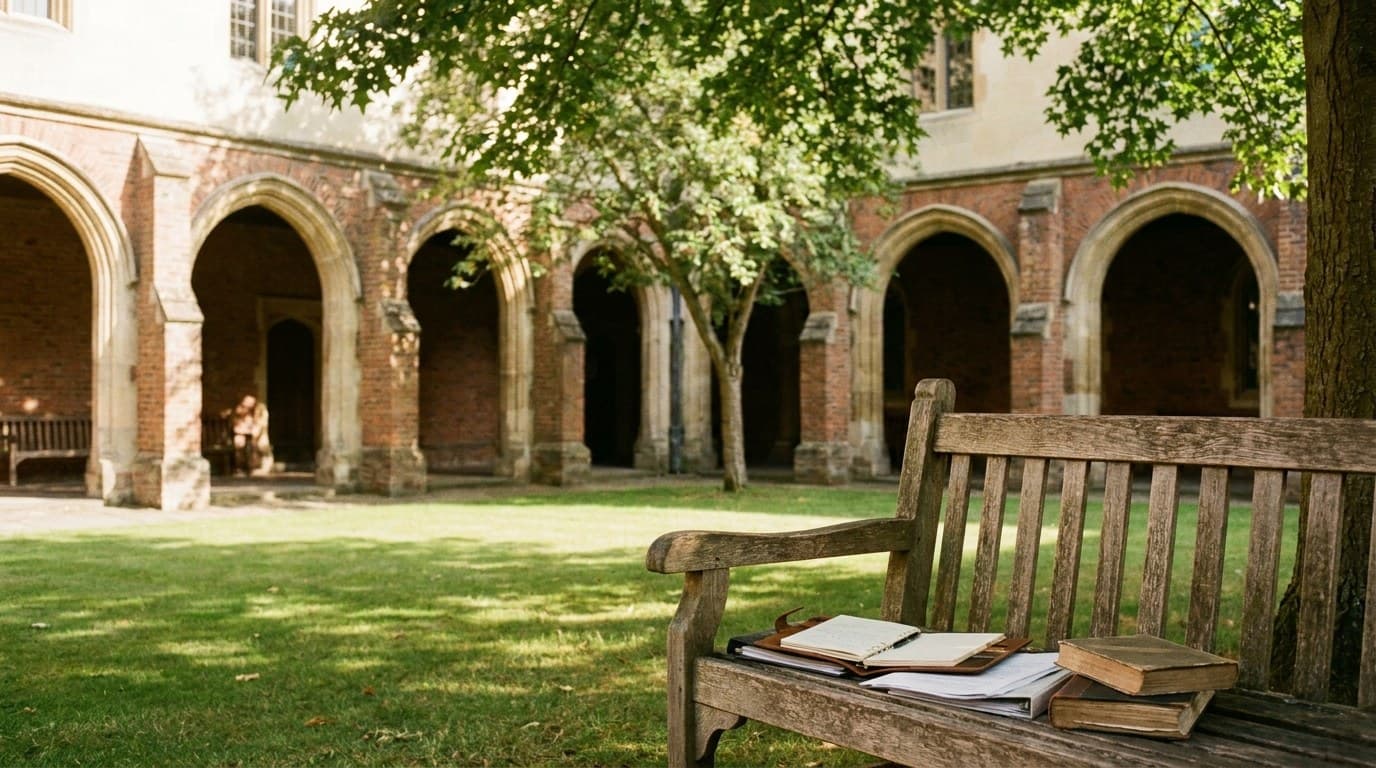
Seven to ten days in London, Oxford, and Cambridge — built around professor-led lectures and real academic work, not a coach tour with a campus photo stop. You sit in on lectures, work on a research theme across the week, and leave with a research report and a growth portfolio you can speak to in your own words.
Most "study tours" are a walk through a famous quad, a group photo, a gift shop. This is not that. For 7 to 10 days you work, live, and think like a university student — and you actually do the work.
Sessions led by professors at leading universities, pitched from the groundwork up — enough of them to feel like a real teaching week, not a guided walk past a lecture hall.
Guided work on a research theme — reading, discussion, and the steps that turn a question into written work — alongside doctoral researchers who work through it with you. This is the part a tour does not have.
You stay in university accommodation and move between the campuses where the work actually happens — a week spent inside a university, not photographed from outside its gates.
London, Oxford, and Cambridge, used as the academic setting they are — not as a checklist of photo stops.
A full day-by-day itinerary is cohort-specific. The shape above holds across every trip; the exact schedule is confirmed per cohort once dates and the host-university sessions are set.
You don’t shadow a class — you study across several directions with the people working in them. Which subjects run depends on the cohort; a typical week covers:
The four pillars — organic, inorganic, analytical and biochemistry — from how we "see" the composition of matter to the reactions that drive life.
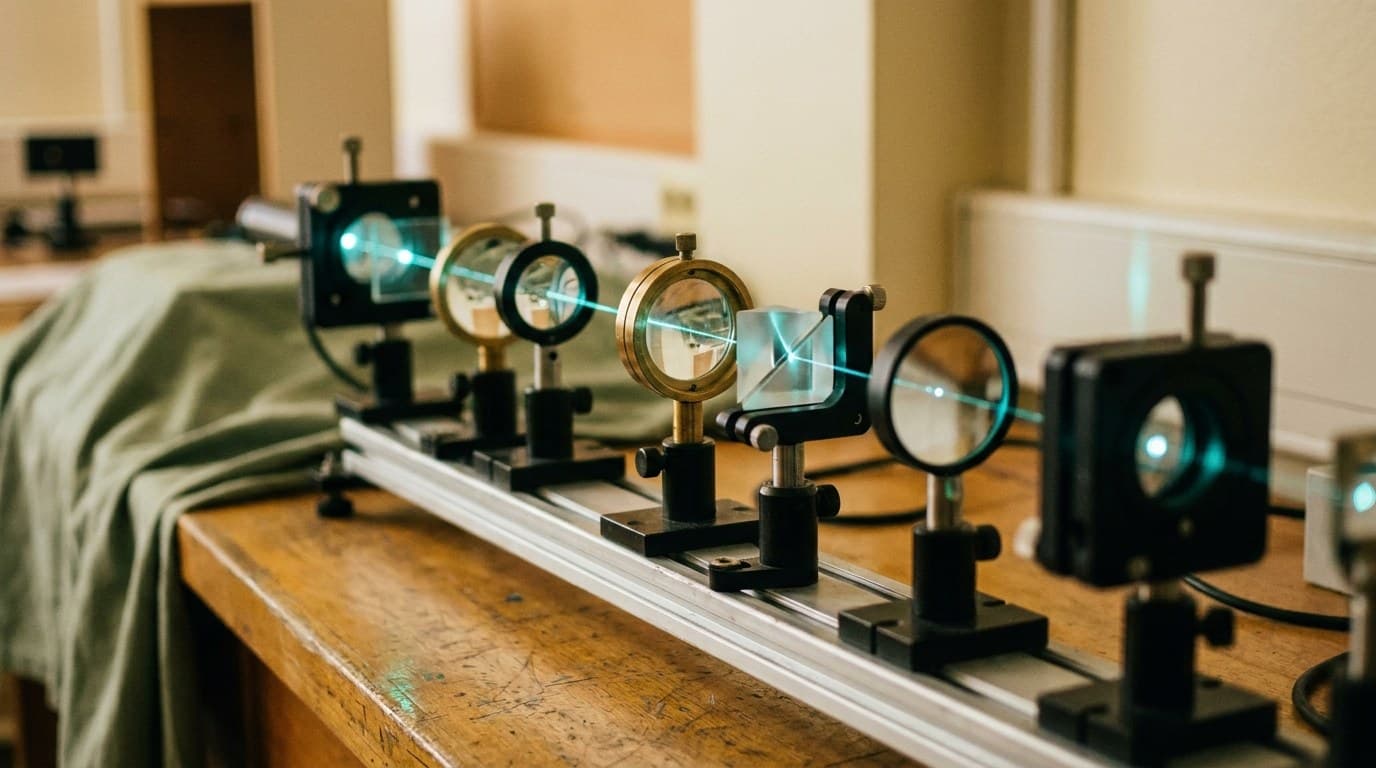
Classical and quantum mechanics, the mysteries of the universe, and the nanomaterials at the frontier — approached with the maths and simulation that physicists actually use.

Molecular biology, disease, and how we detect it — a real look at the human body and the frontier of future medicine.

From data collection and visualisation to machine learning — and how to put large language models to work in your own study, properly.
Taught by academics active in each field — many at top UK universities — in lectures, seminars and hands-on sessions. Alongside the subjects, doctoral-researcher seminars cover what a syllabus doesn’t: applying to UK universities, the personal statement, and planning an academic path.
These are not backdrops. They are where the lectures happen and where the work gets done — chosen for the academics who teach in them, not for the postcard. We would rather show you the room you will actually sit in than the gate you will walk past.
Which sessions run where is confirmed per cohort, and listed on each trip’s card.
This is the line between a research immersion and a trip. Each student produces two things.
A written piece built from the week’s lectures and academic work, on the research theme you have engaged with. Something you can speak to in your own words — honest evidence of academic curiosity for a UCAS statement.
A record of what you did across the days: the sessions, the work, and your own account of them. Not a certificate of attendance — a record of substance.
Anonymised sample outputs — a redacted report extract, a portfolio structure — will be added once the first cohorts complete and authorisation is in place. The two-output structure above is the standing description.
Each cohort’s exact dates, cities, host-university sessions, capacity, and remaining places show on its own card as it opens. Register your interest and we’ll let you know first.
Research Immersion is built for a student who wants to sit in on university-level lectures and do guided academic work — before committing to a path — and who wants honest material to write about afterward.
It is for high-school students — GCSE through A-level, or international equivalents — weighing a UK university application, who want substance over a sightseeing week. If you want a holiday with a campus stop, there are cheaper trips for that. If you want 7–10 days that tell you something true about university-level study, and a report and portfolio you can stand behind, this is built for exactly that.
A tour walks you past universities.
This puts you inside lectures led by professors who research the subject.
A tour sends you home with photos.
This sends you home with a research report and a growth portfolio.
A tour fills the days with sightseeing.
This fills them with academic content — the cities as the setting, not the substance.
We are deliberate about this. Wisesprout does not run sightseeing weeks dressed up as academic ones — our whole posture is substance over show. If sightseeing is what you are after, we are not your trip, and we would rather tell you that now.
No. A study tour is a holiday built around famous places, with universities as scenery. Research Immersion is built around the academic week — professor-led lectures and guided academic work across 7–10 days — with London, Oxford, and Cambridge as the setting. You leave with a research report and a growth portfolio, not just photos.
The days are built on professor-led lectures and guided academic work on a research theme, set across the three cities. A full day-by-day schedule is confirmed per cohort and listed on each trip’s card.
Two things: a research report built from the week’s lectures and academic work, and a growth portfolio recording what you did. Both are things you can speak to in your own words — honest material for a university application, not a certificate of attendance.
Seven to ten days, across London, Oxford, and Cambridge. Exact length and the specific host-university sessions are set per cohort.
It can — but not the way a sightseeing certificate does. What it gives you is specific and true to write about: lectures you sat in, academic work you did, and a report in your own words. Admissions tutors can tell the difference between that and "I went on a trip." We do not guarantee offers — no honest programme can.
Research Immersion is £5,999, with up to 20 students per cohort, running mid-July to mid-August each year. The exact dates for each cohort are listed on its card as trips open.
Lectures are led by academics at the host universities, in their own fields. Who leads each session is set per cohort. As with everything we run, the substance is real academics teaching what they actually research — not guides reading from a script.